
When Cancer and Pregnancy Collide — Why SMFM’s New Guidance Matters
By: Moti Gulersen, MD, MSc
|
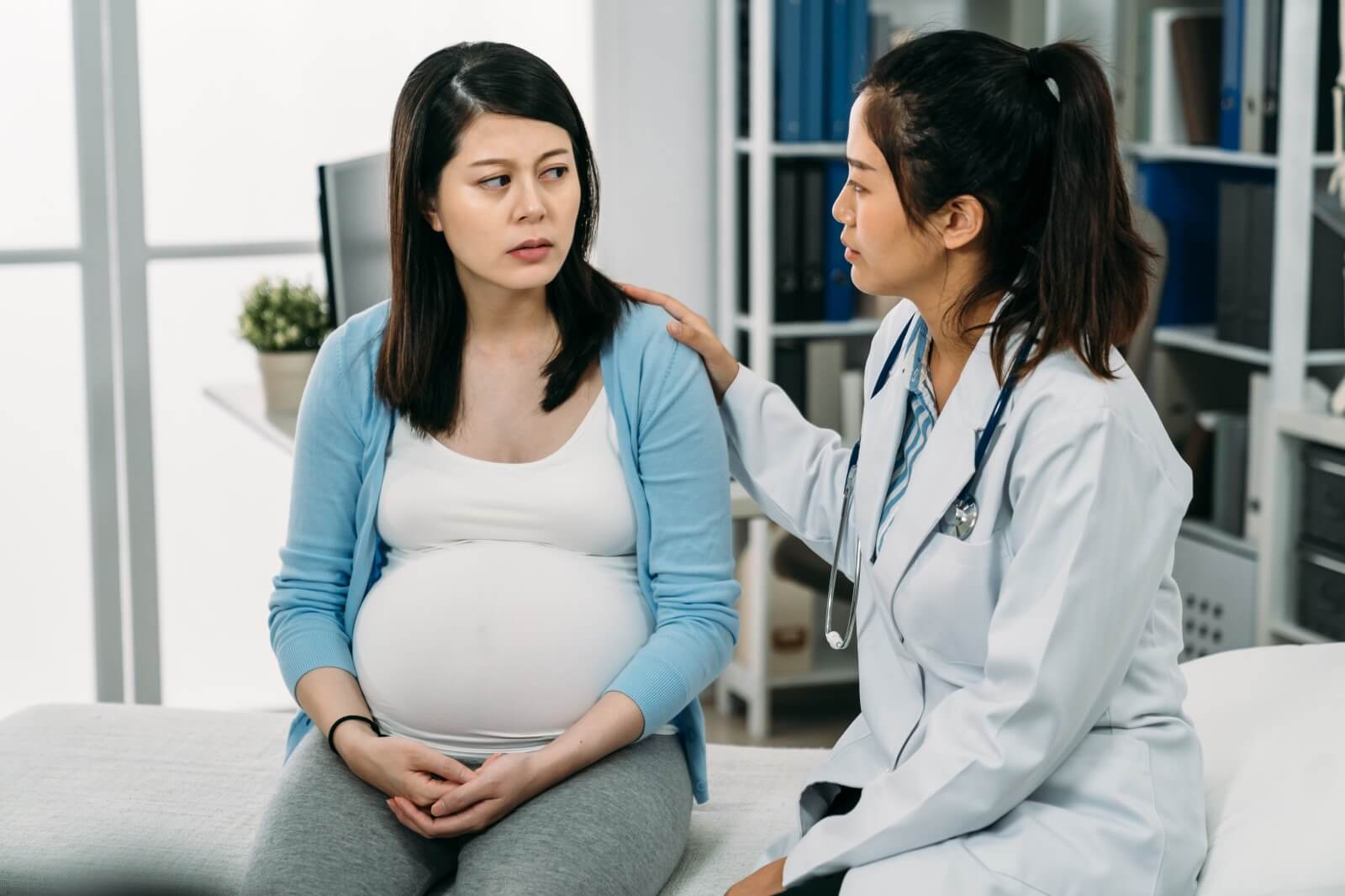
A cancer diagnosis during pregnancy is one of the most emotionally overwhelming situations that a patient and family can face. In a matter of days, someone who expected routine prenatal visits may suddenly find themselves navigating biopsies, imaging studies, chemotherapy discussions, and difficult decisions about treatment and pregnancy care. As maternal-fetal medicine specialists, we understand that this experience can feel frightening, isolating, and deeply uncertain for our patients. |
 |
That is exactly why the Society for Maternal-Fetal Medicine (SMFM) issued its first evidence-based clinical guidance for diagnosing and treating cancer during pregnancy. The new SMFM Consult Series #76: Cancer in pregnancy brings together the latest evidence and practical recommendations to help clinicians provide safe, coordinated, evidence-based care for pregnant patients facing cancer.
Why Are Cancer Diagnoses During Pregnancy Increasing?
Cancer during pregnancy remains relatively uncommon, affecting about 1 in every 1,000 pregnancies, but it is becoming more common. People are becoming pregnant later in life, and many cancers naturally become more common with increasing age. We are also seeing rising rates of early-onset cancers overall, especially among younger women. Improved cancer screening and advances in prenatal testing are also helping detect cancers earlier than ever before.
Historically, cancer treatment during pregnancy was approached with extreme caution because of concerns about fetal safety. In some cases, patients were advised to delay treatment until after delivery or to consider abortion because clinicians lacked enough data to confidently recommend otherwise. However, over the last two decades, research has changed our understanding significantly about the risks of cancer treatment during pregnancy.
One of the most important messages in the new SMFM guidance is this: many cancers can be treated safely during pregnancy, and treatment should not automatically be delayed simply because someone is pregnant. That does not mean treatment is risk-free. But it does mean we now have much stronger evidence to help patients weigh those risks and make informed decisions.
How Is The SMFM Guidance Different From Other Recent Recommendations?
The SMFM guidance arrives alongside other recently published recommendations, including guidance from the American Society of Clinical Oncology (ASCO) and the International Federation of Gynecology and Obstetrics (FIGO). While there is broad agreement that cancer treatment during pregnancy is increasingly feasible, the SMFM document focuses specifically on the obstetrical and maternal-fetal side of care. In practical terms, that means addressing questions that matter deeply to both patients and pregnancy care providers:
- Which imaging studies are safe during pregnancy?
- How should fetal growth be monitored during chemotherapy?
- When should delivery occur?
- What medications can safely be used for nausea?
- When should antenatal testing begin?
These pregnancy-specific management questions are central to the SMFM guidance.
Can Cancer Be Treated Safely During Pregnancy?
Another major theme of the document is individualized care. Not all cancers behave the same way, and not all pregnancies are the same. Some cancers diagnosed during pregnancy have very favorable prognoses, particularly when detected early. Thyroid cancer, some breast cancers, and certain lymphomas can often be treated effectively while continuing the pregnancy.
Other cancers, such as acute leukemia, may require urgent treatment because delaying therapy could significantly worsen maternal outcomes. Treatment decisions depend on several factors: the type and stage of cancer, gestational age at diagnosis, recommended therapies, and most importantly, the patient’s own goals and values.
Patients often ask difficult questions, such as “Will treatment hurt my baby?” The answer depends on the treatment and timing. Chemotherapy during the first trimester carries a high risk of birth defects, for example, because that is when major fetal organs are forming. After the first trimester, however, many chemotherapy regimens have been associated with reassuring outcomes. The SMFM guidance emphasizes that chemotherapy is generally safest to begin after 12 weeks of pregnancy, when possible.
Importantly, newer long-term data are increasingly reassuring. Studies following children exposed to chemotherapy during pregnancy have generally shown normal neurodevelopmental outcomes, especially when preterm birth is avoided. That last point is crucial: an important message in the guidance is that avoiding unnecessary preterm delivery may matter more for long-term child outcomes than chemotherapy exposure itself. This represents a major shift from older approaches, when early delivery was often pursued simply to allow cancer treatment to begin sooner.
Why Multidisciplinary Care Matters
The new guidance also states that multidisciplinary care is crucial for optimizing care for pregnant patients with cancer. A multidisciplinary approach ensures that patients see physicians from various specialties, including but not limited to maternal-fetal medicine specialists, oncologists, surgeons, neonatologists, anesthesiologists, and radiologists, as well as nurses, social workers, psychologists, and sometimes ethics or palliative care teams. Patients do not have to navigate this challenging diagnosis alone.
In practical terms, this can mean coordinated appointments, joint counseling sessions, shared treatment planning, and close communication between specialists to balance maternal treatment needs with fetal well-being. Multidisciplinary coordination ensures decisions about surgery timing, chemotherapy schedules, fetal monitoring, and delivery planning are not being made in isolation. Everyone is working toward the same goal: optimizing outcomes for both parent and baby whenever possible.
Looking Ahead
The SMFM guidance also reflects how much progress the field has made because of collaborative research efforts and patient participation in study registries. Large prospective databases are helping researchers better understand long-term maternal and child outcomes after cancer treatment during pregnancy. That ongoing data collection is essential, especially as newer targeted therapies and immunotherapies become more common in cancer care.
Although many questions remain unanswered, the more data clinicians can collect, the better future counseling and treatment recommendations for cancer during pregnancy will become. Ultimately, the new SMFM guidance is important because it offers patients evidence, clarity, and hope. A diagnosis of cancer during pregnancy is never easy. But today, we are far better equipped than we once were to support patients through it. With thoughtful multidisciplinary care, individualized treatment planning, and growing research data, many patients can continue their pregnancies safely while still receiving effective cancer treatment.
# # #
Moti Gulersen, MD, MSc, is an MFM subspecialist at Sidney Kimmel Medical College of Thomas Jefferson University in Philadelphia, PA, and a member of the SMFM Publications Committee.